






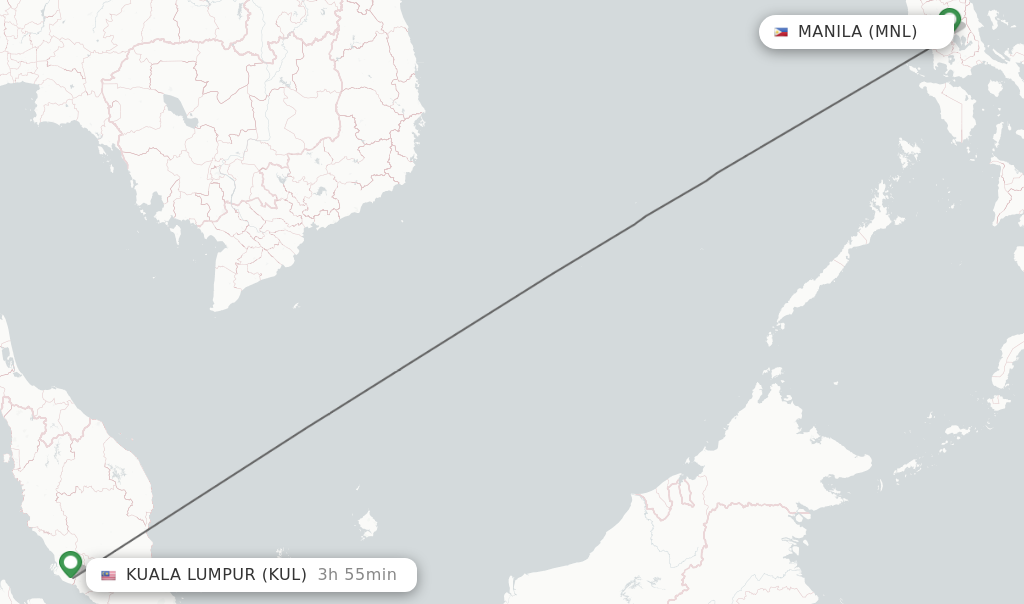
I was on a flight from Manila to KL, no wifi, reading The Body Keeps the Score by Bessel van der Kolk, when I had to stop mid-page.
From the book
Van der Kolk writes about veterans who are gentle, devoted, even spiritual in their daily lives. And yet when something triggers them, they do not simply remember the past. They relive it. The body floods. The original wound reopens as if no time has passed at all. Trauma does not stay in the past. It lives in the nervous system, waiting for a signal familiar enough to reactivate it.
on trauma
p. 21
Van der Kolk describes trauma not merely as a past event, but as a lasting "imprint... on mind, brain, and body"
p. 81
He highlights that trauma forces individuals to live as if the danger is still present.
p. 314
and represents an inability to be fully present.
These images made me stop, and then I thought about a friend.
There had been a distance between us for a while. The words I used in my last visit stayed with me for a long time. I had said something I thought was honest. He went quiet in a way that was longer than what I would have been used to. We have probably not seen each for close to a year.
In my processing at the time, I have deemed this friend "sensitive" and that I "touched a nerve". I also abstained from saying more, cause I was no longer trusted for him to feel unjudged. Also, I had no capacity to right the wrong at the time.
That was my understanding, until the pages came.
I assume that the distance we currently have is because he felt judged. He feels unsafe, and that would have triggered more unpleasantness in terms of how to deal with me and how to deal with his own emotions.
Then I realised, the withdrawal was not rejection but his own protection. I can only imagine his trauma resurfaced in motion.
I sat with that, and then I turned the same lens on myself:
How many times had I withdrawn from my own inner life, from feelings I had no language for, needs I had buried so long I forgot they were there?
Recently, I reacted to a statement by a peer during a work event. The reaction was not offensive but as someone who identifies as a nonviolent advocate, I still cringe at the thought of my own reactive expression. Why couldn't I just let it go?
Then it dawned on me. This is the opportunity where self-empathy begins. Not with a technique but with a willingness to turn inward with the same kindness you would offer a friend you care for. That movement, inward before outward, is the heart of self-empathy.
Self-empathy is not letting yourself off the hook. It is learning to see yourself clearly, without cruelty.
the framework
Time to practice what I preach. An honest conversation with myself through these four foundational questions.
Nonviolent Communication offers a map for this. The O-F-N-R process is not a script. It is a set of questions you learn to ask, slowly at first.

"I said something. He went quiet. We have not spoken since."

"Regret. Grief. Guilt. This has not moved in months."
"I needed to show up with care. To be someone he could trust. To seek forgiveness."

"I will write. I will not demand a response. That is enough."
Inner Critic
"I am so stupid. I always do this. I should know better by now."
With Self-Empathy
"I feel ashamed, regret, guilty. I needed to be seen as competent. I needed to be trusted, and I broke that."
The body knows first
Before the right words form, something else is already there.
When I wrote a WhatsApp message to my friend, I framed it as a way to express my personal realisations on how unsafe he felt. I also sought forgiveness in the spirit of Eid, the month of Syawal.
I'm building personal understanding and this understanding lead me to seek your forgiveness. You may respond or not respond. There is no obligation whatsoever. Just reading this text is enough.
try this
Place one hand on your chest. Before you name what you feel, just notice that something is present. That act of noticing, without judgment, is already a beginning of self-empathy.
the practice gap
Understanding this is a start. It is not yet the practice.
I have been studying and sharing Nonviolent Communication for years.
I still sent an unskilled message to my friend. I still needed a book on a plane to help me see what I should have seen sooner.
That is the nature of practice. The gap between knowing and being able to do is where the real work lives. And it is easier when you are not doing it alone.
My friend read this article before it was published. He consented to having his response shared here.
a response from the friend
I have always appreciated your honesty and straightforwardness. Your words did hurt me a little, but the rest is on me, not you. You should not be the one to apologise. I have to apologise for mentally and emotionally associating you with my own trauma, and with other traumatic individuals, none of which was your doing.
That was not the response I anticipated. But it was the one that reminded me why self-empathy matters. Not just for yourself but for what it makes possible between people ⦁